
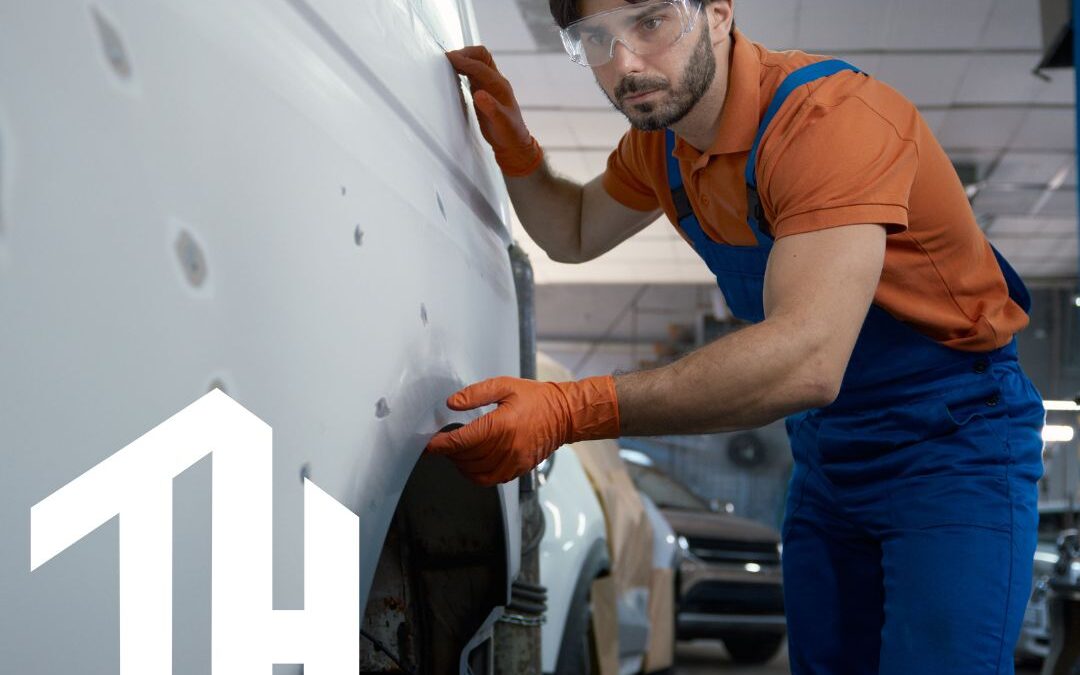
Autobody Work in Edmonton Done by Car Enthusiasts
A fresh paint job can completely change how a vehicle feels. It can make an older car look sharp again, bring a custom build together, repair collision damage, or protect panels that have been beaten up by years of Edmonton roads. But here is the part most people do not realize: autobody painting in Edmonton is not just about picking a color and spraying the car.
The real work happens before the paint ever touches the panel.
If the prep is rushed, the result will show. If rust is ignored, it will come back. If the surface is not repaired properly, the paint may highlight the damage instead of hiding it. A professional paint job is part art, part science, and part patience.
For Edmonton drivers, that matters. Between winter roads, gravel, salt, parking lot dings, collision damage, and older vehicles starting to show their age, paint work is often about more than appearance. It is about protecting the vehicle, preserving value, and making sure the finished result actually lasts.
Traphouse Automotive and Autobody works with collision repair, insurance claims, custom paint, rust repair, fabrication, body kits, sheet metal work, and custom vehicle builds. That makes paint work a natural part of the bigger autobody process, not a quick cosmetic patch.
Why Autobody Painting in Edmonton Is About More Than Color
When people think about paint, they usually think about the final look. Gloss. Color. Shine. Maybe a custom finish. But paint also protects the vehicle.
Your vehicle’s finish is a layered system. It typically includes primer, base coat, and clear coat. Each layer has a purpose. Primer helps prepare and protect the surface. Base coat creates the color. Clear coat adds gloss and protection.
When that system is damaged, the panel underneath becomes more vulnerable.
In Edmonton, that matters because vehicles deal with:
- Road salt and winter chemicals
- Gravel chips
- Freeze-thaw cycles
- UV exposure in summer
- Slush, moisture, and grime
- Parking lot scratches and door dings
- Rust starting around exposed metal
A small chip may not seem like a big deal at first, but if it breaks through the paint and exposes metal, it can become the starting point for corrosion. That is why proper autobody painting is not just about making the vehicle look better. It is about sealing, protecting, and restoring the surface.
The Government of Alberta provides information on vehicle insurance in Alberta, which can be useful if paint work is connected to a collision claim. For cosmetic or custom work, the process is usually different, but the goal remains the same: get the vehicle repaired properly.
When Does Your Vehicle Need Autobody Painting?
Not every scratch means you need paint. Sometimes a mark can be polished. Sometimes paint correction can improve the finish. But there are situations where autobody painting is the right move.
Here are some of the most common reasons Edmonton drivers look for paint work:
| Vehicle Issue | Possible Paint Solution |
| Collision damage | Panel repair and repaint |
| Deep scratches | Spot repair or panel repaint |
| Rust repair | Metal repair, prep, primer, and paint |
| Peeling clear coat | Sanding, refinishing, and repainting |
| Faded paint | Refinish or repaint depending on severity |
| Replacement panel | Paint matching and blending |
| Body kit installation | Prep, fitment, and paint |
| Custom build | Full repaint, accent paint, jambs, bay, or trim work |
A professional shop should not jump straight to painting without checking the panel first. The surface may need dent repair, sanding, rust removal, metal work, filler, primer, or blending into nearby panels.
That is especially important on custom vehicles. If you are installing overfenders, a body kit, replacement panels, or custom sheet metal, paint is only one part of the job. Fitment, body lines, gaps, sanding, and prep all influence the final result.
Traphouse’s project work shows this kind of connection clearly. Their builds include rust repair before repainting, overfender and body kit mounting, chassis paint, jambs, and engine bay cleanup. That is the kind of work where paint needs to fit into the whole build, not just cover the surface.
What Happens During the Autobody Painting Process?
A strong paint job follows a process. Different vehicles and repairs require different steps, but the basic flow usually looks like this:
- Inspection and estimate
The shop looks at the damage, paint condition, rust, panel alignment, and the customer’s goal. A collision repair, rust repair, and custom repaint all require different planning. - Disassembly
Trim, lights, bumpers, mirrors, moldings, or other parts may need to come off so the paint can be applied cleanly. - Body repair
Dents, scratches, cracks, rust, or panel damage need to be fixed before paint. Paint does not hide bad bodywork. It usually makes it more obvious. - Sanding and surface preparation
This is one of the most important stages. The surface must be cleaned, sanded, and prepared so primer and paint can bond properly. - Primer
Primer helps seal and level the surface. It also gives the paint system a proper foundation. - Paint matching
For panel repairs, the goal is to match the existing color as closely as possible. This can involve checking the paint code, comparing spray-outs, and blending into nearby panels. - Base coat and clear coat
The base coat creates the color. The clear coat adds gloss, depth, and protection. - Curing, polishing, and inspection
After painting, the finish needs time to cure. The shop may wet sand and polish certain areas, then inspect the final result for quality.
A great paint job is not just sprayed well. It is prepared well.
That is why the cheapest quote is not always the best quote. Cheap paint work usually saves money by skipping time-consuming steps. Less disassembly. Less sanding. Less repair. Less blending. Less attention to what is underneath.
The problem is that those shortcuts often become visible later.
How to Choose the Right Autobody Paint Shop in Edmonton
Choosing an autobody shop for paint work should not be based on price alone. Paint quality depends on experience, equipment, preparation, product knowledge, and attention to detail.
Before choosing a shop, ask questions like:
- Will the damaged area be repaired before painting?
- Does the rust need to be removed or cut out?
- Will the panel be blended into nearby panels?
- What parts need to be removed before painting?
- Is this a panel repaint or full repaint?
- Can this be handled through insurance?
- How long should the finish last?
- What should I avoid after picking up the vehicle?
You should also look for proof of real work. A shop that handles custom builds, fabrication, body kits, rust repair, insurance claims, and paint has a broader understanding of how panels, fitment, and finishing work together.
That is where Traphouse Automotive and Autobody stands out. Their work is not limited to basic cosmetic repair. They have experience with custom vehicle projects, collision-related repairs, rust work, sheet metal, body kits, chassis work, jambs, and full repaint situations. You can explore their work through their Traphouse Automotive builds page.
That kind of experience matters because paint is rarely isolated. If a car has rust, the metal matters. If a body kit is being installed, the fitment matters. If a panel has been hit, the repair matters. If the vehicle is custom, the final look has to match the larger vision.
FAQ About Autobody Painting
How much does autobody painting cost in Edmonton?
The cost depends on the size of the repair, the amount of prep work, the paint type, whether panels need blending, and whether there is rust or body damage underneath. A small panel repair costs less than a full repaint or custom paint job.
Can you paint just one panel?
Yes, in many cases one panel can be painted. However, depending on the color, age of the paint, and location of the repair, blending into nearby panels may be recommended for a better match.
Will the new paint match the old paint?
A professional shop can usually match the paint closely using the paint code, mixing systems, spray-outs, and blending techniques. Some colors, especially metallics and pearls, require extra care.
Can rust be painted over?
Rust should not simply be painted over. If the rust is not properly removed or repaired, it can continue spreading underneath the new finish and come back later.
How long does autobody painting take?
The timeline depends on the repair. Small repairs may be quicker, while rust repair, collision repair, custom paint, body kit work, or full repaints take longer because of prep, curing, and reassembly.
Is repainting worth it before selling a vehicle?
Sometimes, yes. If the paint damage is hurting the vehicle’s appearance or value, repainting may help. However, it depends on the vehicle, repair cost, and resale value.
What is the difference between a cheap paint job and a professional paint job?
A cheap paint job often cuts corners on prep, disassembly, repair, and blending. A professional paint job focuses on surface preparation, proper repair, color matching, clean application, and long-term durability.
Can autobody painting be covered by insurance?
If the paint damage is related to an insured collision or claim, it may be covered depending on your policy and claim details. Cosmetic or custom repainting is usually paid out of pocket.
Do body kits need to be painted before installation?
Many body kits need prep, test fitting, adjustment, and paint. The exact process depends on the material, fitment, and the final look you want.
How do I take care of fresh automotive paint?
Follow the shop’s instructions. In general, avoid harsh washing, aggressive polishing, and automatic car washes right away. Give the finish time to cure properly.
Get the Paint Work Done Properly the First Time
A vehicle repaint should not be treated like a quick cover-up. The best results come from proper inspection, repair, preparation, paint matching, and finishing. Whether your vehicle needs collision repair, rust repair, custom paint, body kit finishing, or a full transformation, the process matters from the first sanding mark to the final polish.
For drivers who care about quality, durability, and a finished result that actually suits the vehicle, autobody painting in Edmonton is worth doing properly.