
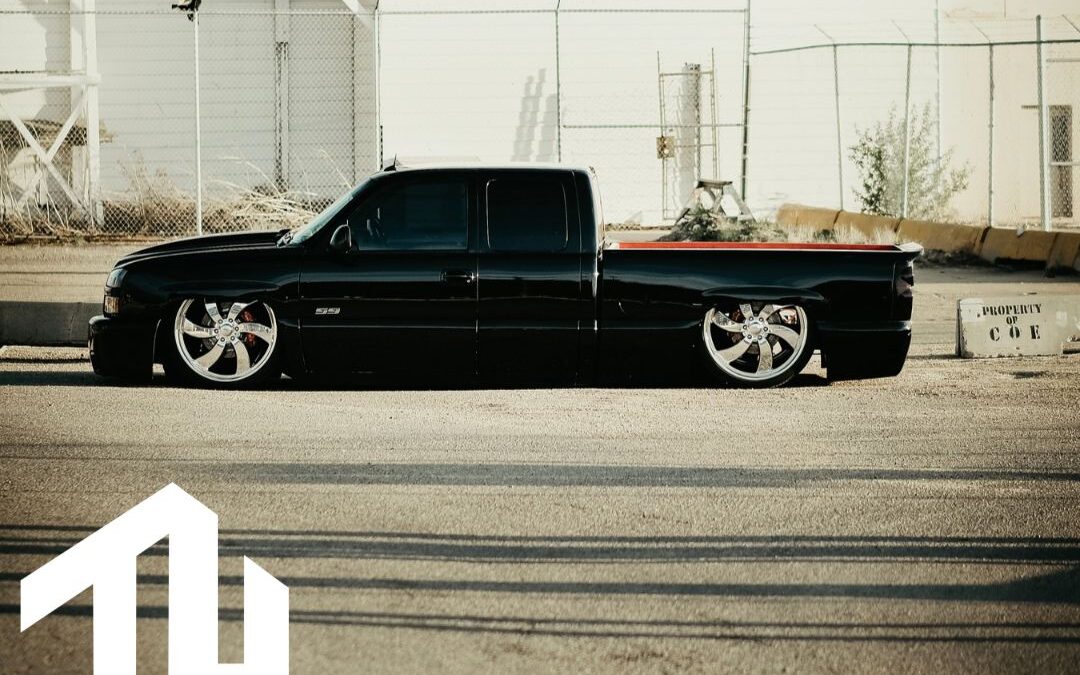
Restoration Work Done by Car Enthusiasts – Autobody Shop Edmonton
There is a difference between working on cars and actually caring about cars.
For some people, a vehicle is transportation. It gets them to work, carries groceries and survives the daily commute. For others, the car itself matters. They notice the body lines. They notice whether panels line up properly. They can spot a paint mismatch from across a parking lot, and they absolutely know when something just doesn’t look right.
At Traphouse Automotive, that second group feels pretty familiar.
Owner Chris Trapp has spent years building an Edmonton autobody shop around people who are genuinely interested in vehicles. The team works on everyday cars and trucks, collision repairs, custom paint projects, fabrication and enthusiast vehicles, but the philosophy behind the work stays surprisingly simple: understand what the customer cares about and take the time to do the job properly.
After roughly eight years in business, that approach has also helped Traphouse grow into a larger shop without losing the small-team mentality that helped build the company in the first place.
An Edmonton Autobody Shop Built by Car People
Plenty of autobody shops can repair a damaged panel or repaint a bumper. What changes the experience is the person looking at the vehicle.
Chris has deliberately built a team of people who are interested in cars themselves. That matters because enthusiast customers often pay attention to details that someone else might consider minor.
A slightly inconsistent panel gap matters. Paint finish matters. The way a repaired section blends into the rest of the vehicle matters. On a modified, collectible or particularly well-kept car, those details can be just as important as getting the vehicle back on the road.
That doesn’t mean Traphouse only works on show cars or specialty vehicles. The shop handles cars, SUVs and light-duty trucks, including the everyday vehicles Edmonton drivers depend on. What changes is the mindset brought to the work.
The goal isn’t simply to move another vehicle through the building as quickly as possible.
After eight years, Traphouse has also expanded into a larger location. Interestingly, the reason wasn’t to immediately pack the building with employees and chase rapid growth. Chris wanted more space so the existing team could work comfortably and efficiently.
That distinction says quite a bit about the business. Growth isn’t automatically about doing more jobs. Sometimes it is about creating the conditions to do better work.
Autobody, Collision Repair, Custom Paint and Unusual Projects
One advantage of having people who enjoy working on vehicles is that not every project has to fit neatly into one category.
Traphouse’s autobody work and project portfolio includes collision repairs, cosmetic restoration, paint work and more unusual automotive projects.
For most Edmonton customers, the job might involve repairing collision damage, fixing a damaged bumper, correcting bodywork or refinishing a panel. For an enthusiast, the project could involve custom paint, fabrication or restoring the appearance of a vehicle they have spent years building.
There are limits, of course.
The shop primarily handles light-duty vehicles. Very tall Sprinter-style vans, large commercial vehicles, RVs and semi-trucks require equipment and facilities designed specifically around their size, so those vehicles are generally better suited to heavy-duty collision facilities.
Motorcycles are a little different. Traphouse isn’t a motorcycle repair shop, so the team generally won’t take on the mechanical disassembly and reassembly of a bike. Bring in motorcycle components that need bodywork or paint, however, and that becomes much more practical.
The same thinking applies to unusual projects. Golf carts and other unconventional vehicles or parts aren’t automatically off the table simply because they’re different.
If the project physically fits the shop and falls within the team’s capabilities, it may be worth discussing.
That flexibility makes sense for a business built around automotive enthusiasts. Car culture has never been particularly good at leaving things stock.
Good Autobody Work Shouldn’t Be Rushed
There is another part of autobody repair customers don’t always think about: time.
Everyone wants their vehicle back quickly. That’s understandable, especially when it is a daily driver. But there is a difference between working efficiently and forcing a job through an unrealistic deadline.
Bodywork and paint involve processes that have to happen in the right order. Repairs need to be assessed. Parts may need to be sourced. Panels require preparation. Paint and refinishing work require attention to the surface underneath, not simply the colour customers see when the car leaves the shop.
The ideal Traphouse customer isn’t necessarily someone with the most expensive vehicle. It is someone who understands that the team needs enough room to perform the work properly.
That becomes particularly important after a collision.
The Government of Alberta explains that drivers generally have the right to choose the repair facility that works on their vehicle. An insurer can recommend a shop, but in most circumstances it cannot simply require a customer to use that particular facility. Alberta also recommends considering the shop’s reputation, quality of work and written guarantees rather than choosing based strictly on the lowest estimate. You can read Alberta’s guidance on choosing a repair facility after an automobile collision.
Consumers can also review information from the Alberta Motor Vehicle Industry Council about vehicle service and repair, including guidance about licensed automotive businesses and repair estimates.
That makes choosing a shop more than an insurance decision. You are choosing the people who will actually be responsible for putting the vehicle back together.
Communication Matters as Much as Craftsmanship
There is one part of running an autobody shop that has almost nothing to do with sanding, welding, paint or fabrication: communication.
Chris considers it one of the most important parts of the day.
When a customer’s vehicle disappears behind the doors of a body shop, there is naturally some uncertainty. What stage is the repair at? Did another problem appear? Are parts available? Has something affected the timeline?
Silence makes all of those questions worse.
Keeping customers updated helps them understand where their project stands, particularly when repairs become more complicated than they first appeared. Communication inside the shop matters just as much. When several people are involved in bodywork, paint, fabrication or assembly, the team needs to understand what has been completed, what comes next and whether anything has changed.
For an enthusiast-owned shop, that communication also helps establish something bigger: trust.
People who care deeply about their vehicles don’t always want to hand the keys to a stranger and hope for the best. They want to know that the person working on the car understands why certain details matter.
That is where Traphouse Automotive has found its lane.
The business has grown, the facility has grown and the range of projects has expanded, but Chris isn’t trying to turn the company into an enormous production shop overnight. The focus remains on a relatively small group of car people doing work for customers who value the same things they do.
Whether that means repairing everyday collision damage, refinishing a motorcycle tank, giving an older vehicle new life or taking on a custom automotive project, the underlying idea is the same.
Do the work properly. Pay attention to the details. Keep the customer informed.
And maybe most importantly, have people working on the vehicle who actually understand why the vehicle matters.
If your vehicle needs autobody repair, custom paint, collision repair or specialized automotive work in Edmonton, contact Traphouse Automotive to talk about the project and find out whether it is a good fit for the shop.